
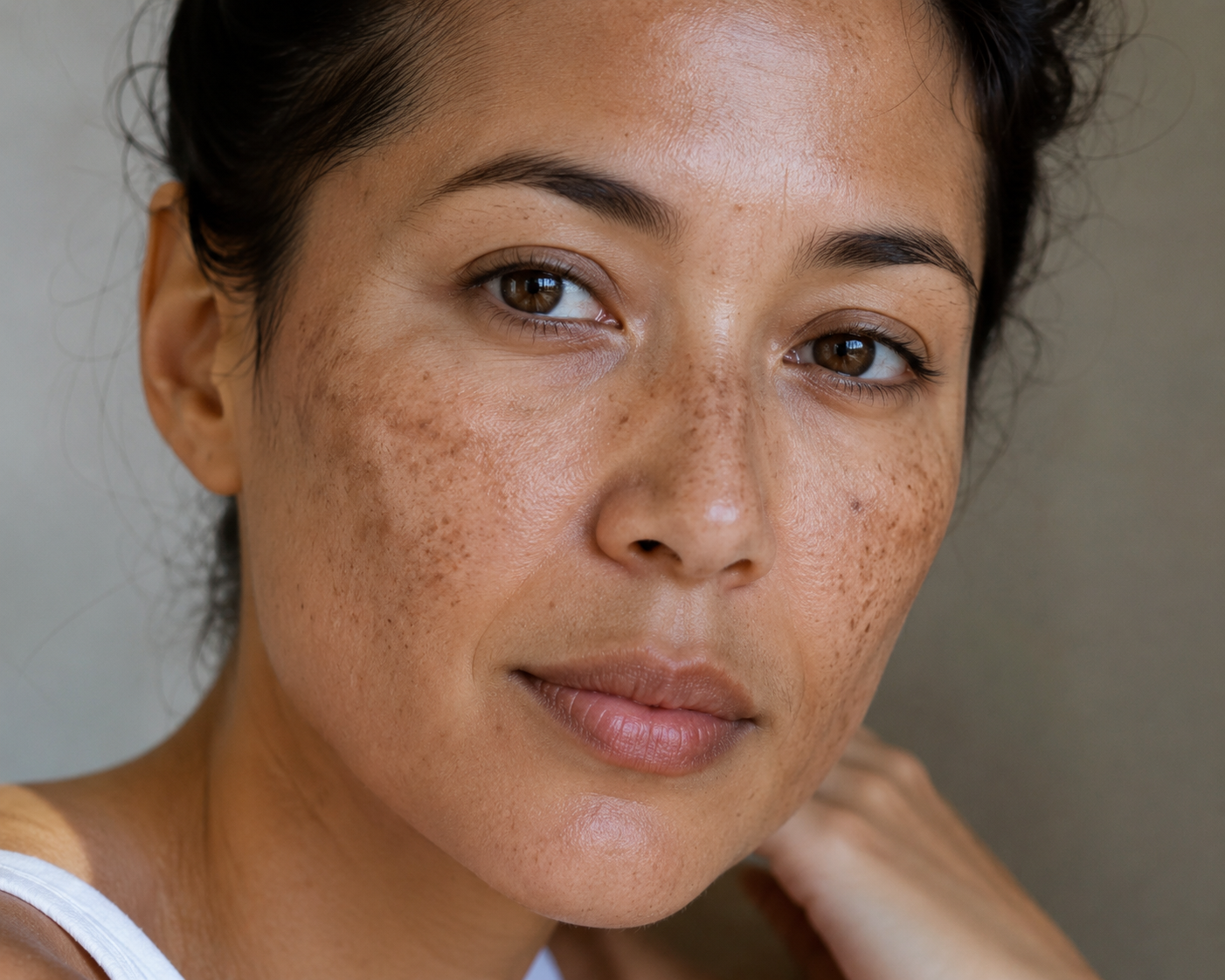
You are walking down the street. You catch a glimpse of yourself in a store window.. There it is. That brown patch on your cheek that you just cannot seem to hide with concealer. Maybe it showed up after you had a breakout. Maybe it appeared after a summer of not wearing sunscreen. Either way you are not alone. Hyperpigmentation is one of the common skin concerns that dermatologists see. It affects people of every skin tone and age.
The good news is that dark spots are rarely dangerous.. In most cases they are treatable. The confusing part is figuring out which treatment actually works for your type of discoloration. Because a product that works beautifully on one kind of spot can do almost nothing for another.
This guide breaks down what causes hyperpigmentation the forms it takes and the ingredients and treatments. From vitamin C serums to laser sessions. That are backed by real evidence. By the end you will know where to start.
What Causes Hyperpigmentation?
Hyperpigmentation happens when your skin produces much melanin. Melanin is the pigment that’s responsible for your natural skin color. It is made by cells called melanocytes. When these cells go into overdrive in an area that patch of skin darkens.
So what causes spots on the face? A few common triggers are:
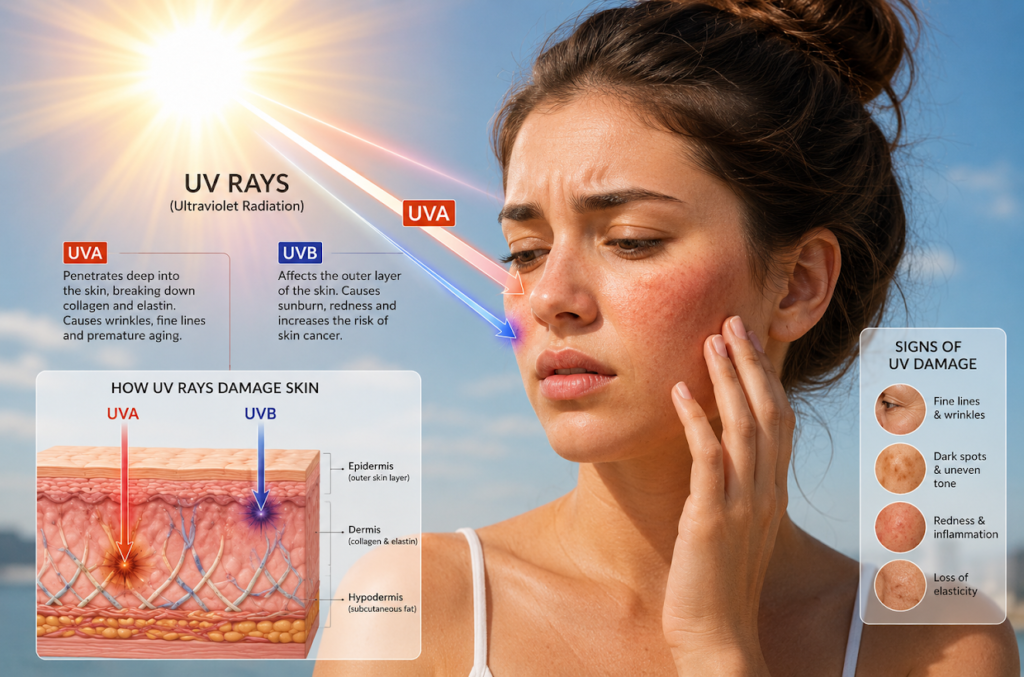
Sun Exposure
UV rays are the driver of dark spots. Sunlight stimulates melanocytes as a defense mechanism. This is why spots often appear on the areas that get the sun. Cheeks, forehead and the backs of the hands.
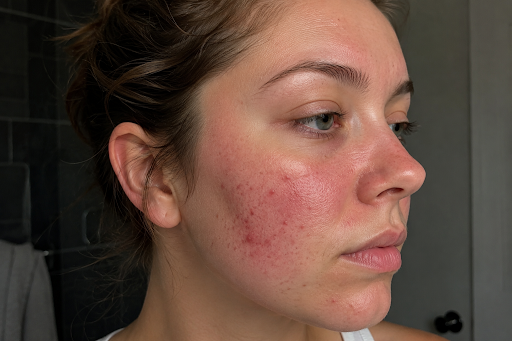
Post-Inflammatory Hyperpigmentation
This is the mark that is left behind after your skin has been through some kind of trauma. A pimple, a cut, a burn or even aggressive scrubbing. Dark spots from acne fall into this category.
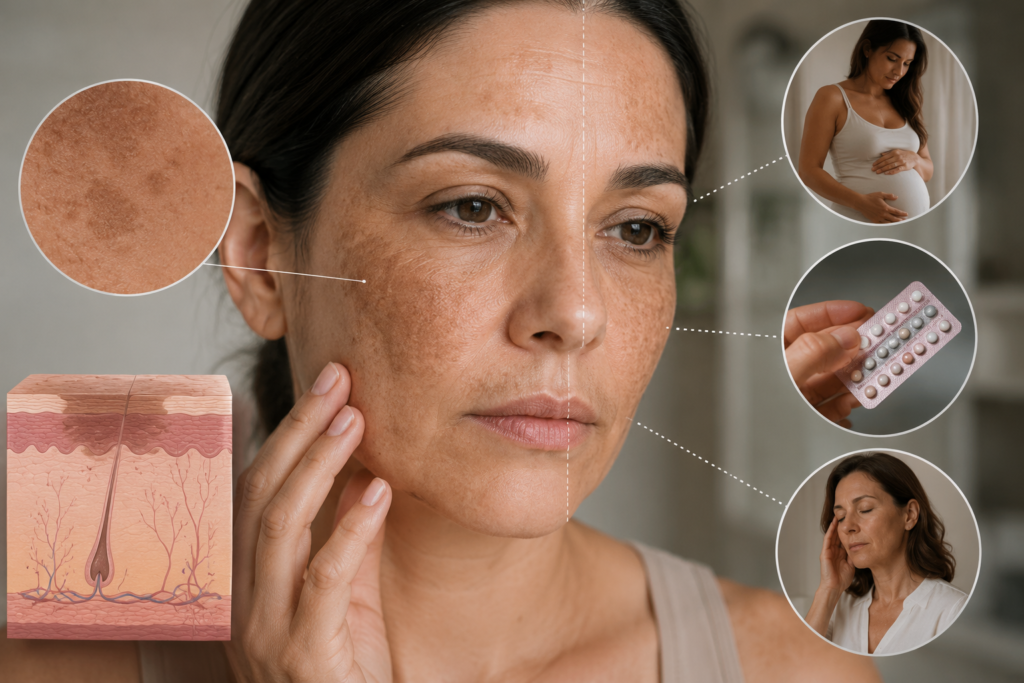
Hormonal Changes
Melasma shows up as symmetrical patches. It is triggered by shifts. Pregnancy, birth control, hormone therapy. It tends to be more stubborn than sun-related spots because it sits deeper in the skin.
Genetics and Skin Tone
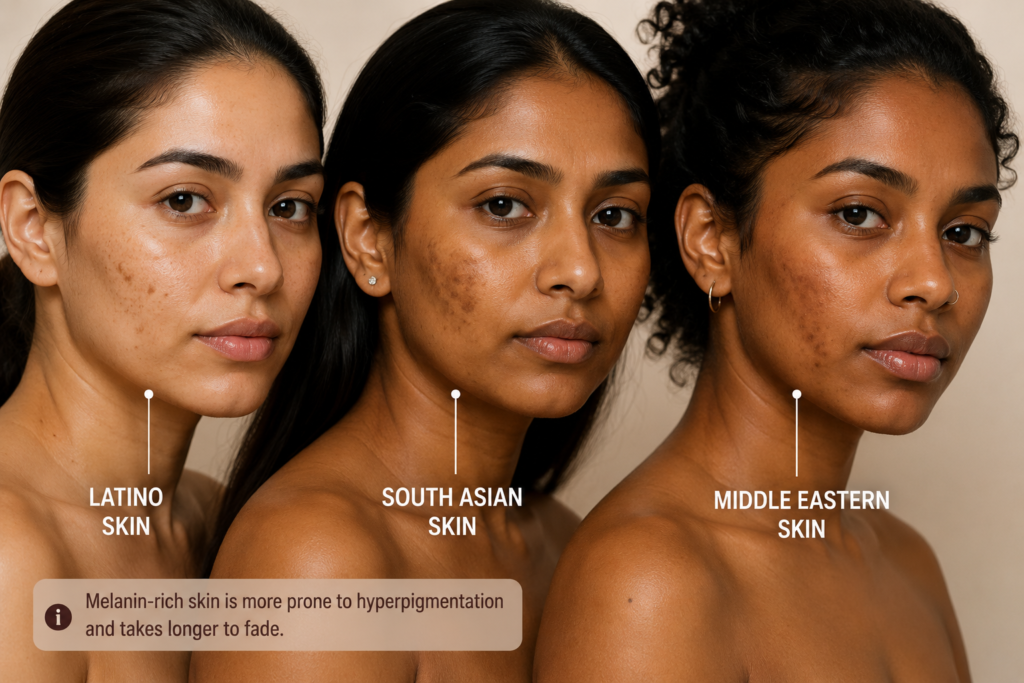
Melanin-rich skin is more reactive to inflammation and injury. This is why dark spots on skin as well as on Latino, South Asian and Middle Eastern skin tend to be more pronounced and take longer to fade.
Common Types of Dark Spots
Not all spots are created equal. Knowing which one you are dealing with changes your treatment plan.
Dark Spots on Cheeks
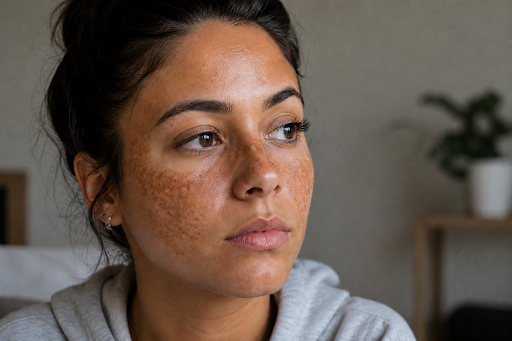
Cheeks are a location for both sun-induced spots and melasma. If the spots are symmetrical on both cheeks melasma is more likely. If they are scattered and irregular sun damage is the probable cause.
Acne-Related Dark Spots
These appear where a blemish used to be. They usually fade on their own over months.. Picking or popping pimples makes them darker and slower to resolve.
Age Spots
These are brown well-defined spots that develop from years of cumulative UV exposure. They typically appear after age 40.. They are increasingly common earlier due to unprotected sun exposure.
Melasma
This is a driven condition. It often gets worse with heat and sun. This is why it is notoriously difficult to treat without sun protection.
Best Ingredients for Treating Hyperpigmentation
Once you know what is driving your spots the right ingredient can make a real difference. Here is what actually has research behind it.
Vitamin C Serum
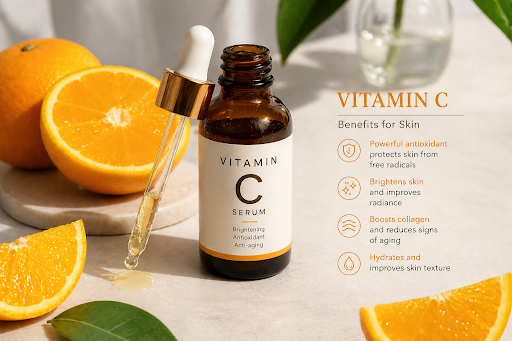
Vitamin C is an antioxidant that inhibits melanin production. It also protects skin from the radical damage that worsens pigmentation. The best vitamin C serum for spots typically contains a stable form like L-ascorbic acid.
Niacinamide
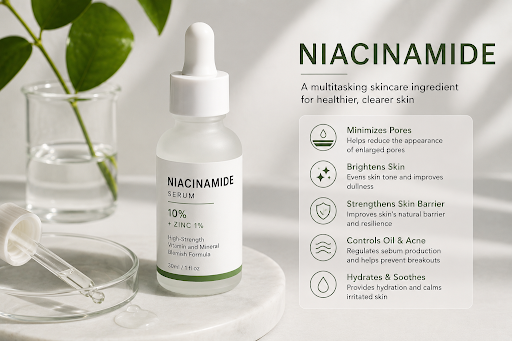
Niacinamide works differently. It interrupts the transfer of pigment to skin cells. It is gentler than other actives. This makes it a solid option for acne-prone skin.
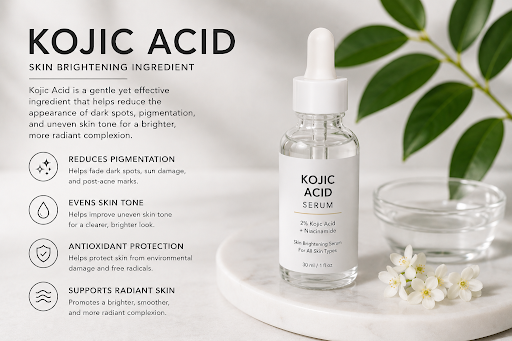
Kojic Acid
Kojic acid inhibits tyrosinase, an enzyme to melanin production. It is an alternative for people who want brightening results without hydroquinone.
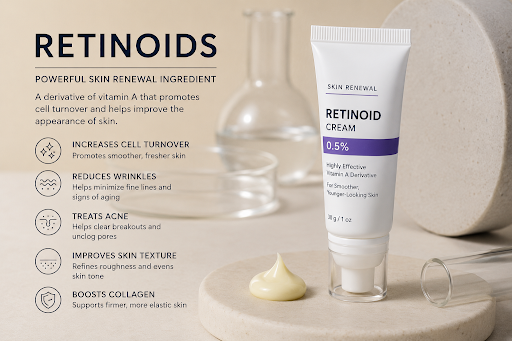
Retinol
Retinol speeds up cell turnover. It helps pigmented cells shed faster. It also boosts collagen production. It is one of the well-studied ingredients for hyperpigmentation.
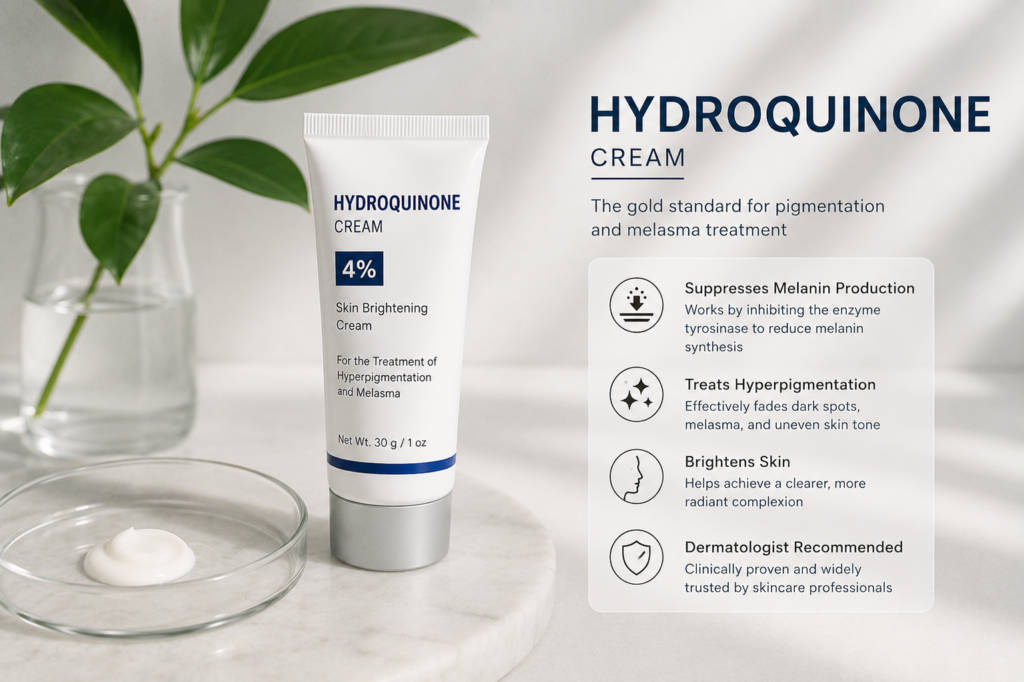
Hydroquinone Cream
Hydroquinone is considered the gold standard for pigmentation and melasma. It works by suppressing melanin production.
Tranexamic Acid
Tranexamic acid reduces the signals that trigger excess pigment production. It is available in serums.. In more resistant cases it is available as an oral medication prescribed by dermatologists.

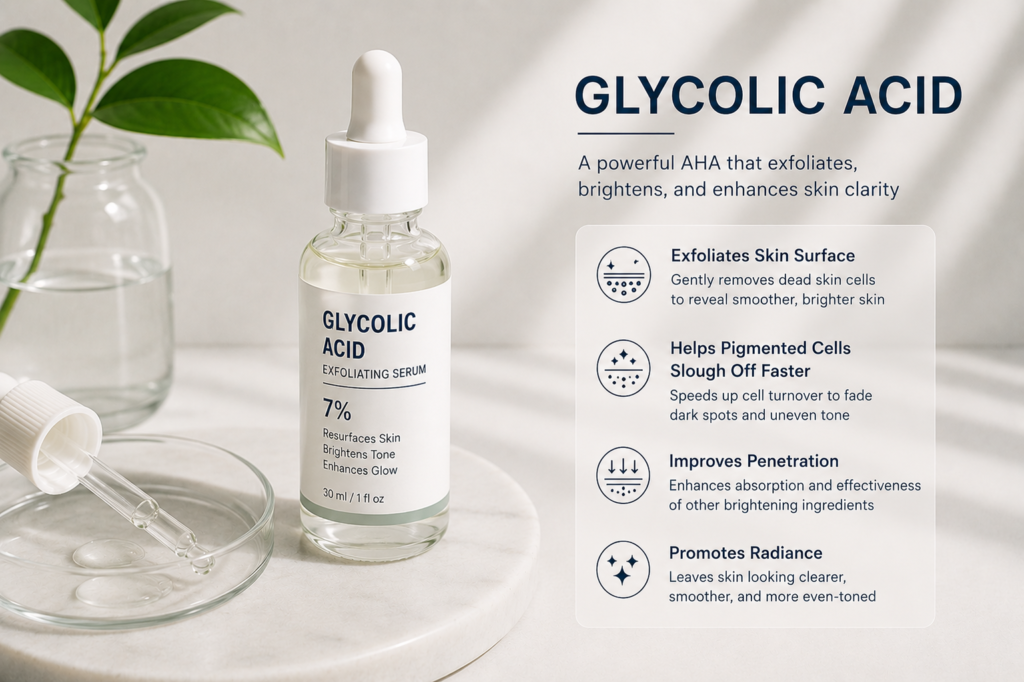
Glycolic Acid
Glycolic acid exfoliates the surface layer of skin. It helps pigmented cells slough off faster. It also improves how well other brightening ingredients penetrate.
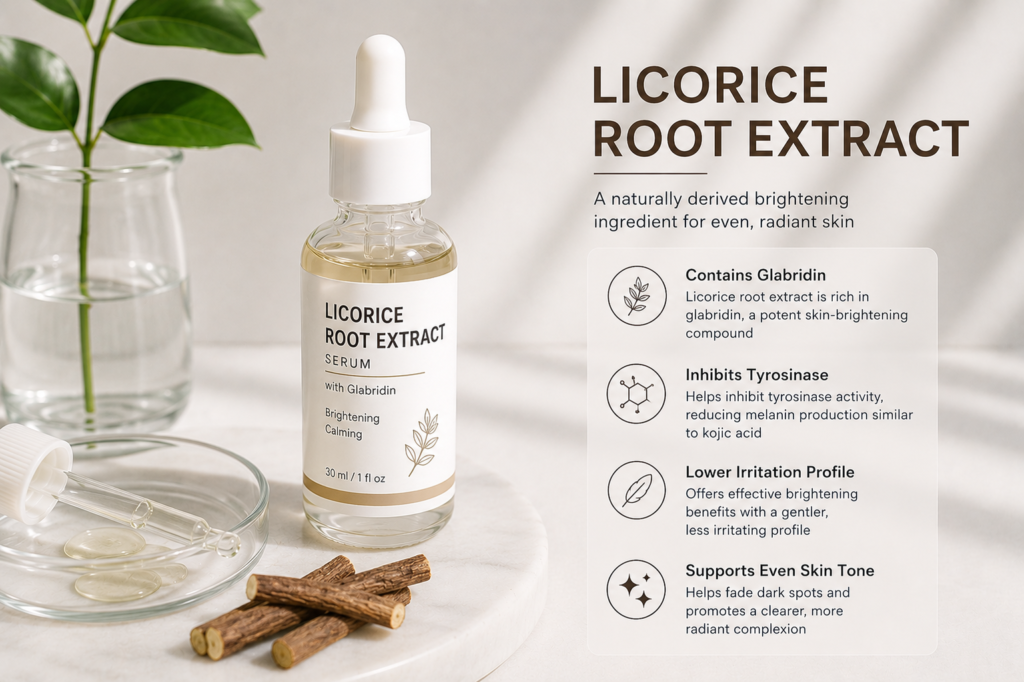
Licorice Root Extract
Licorice root extract contains glabridin. It inhibits tyrosinase similarly to kojic acid.. It has a lower irritation profile.
Why Sunscreen Is Non-Negotiable
No matter which ingredient you choose none of it works without consistent sun protection. UV exposure re-triggers melanin production daily. This means unprotected sun exposure can undo months of treatment in a matter of days.
The best sunscreen for hyperpigmentation is a broad-spectrum SPF 30 or higher. It should be applied every morning. Mineral formulas with zinc oxide are often preferred for melasma- reactive skin.
How to Get Rid of Dark Spots on Your Face: A Realistic Routine
If you are wondering how to get rid of spots on your face without overwhelming your skin start simple:
- Morning: Use a gentle cleanser, an antioxidant serum, a moisturizer and a broad-spectrum sunscreen.
- Evening: Use a cleanser, a targeted treatment, a moisturizer.
- 1-2 times per week: Use an exfoliating step with glycolic or kojic acid.
Give any routine at least 8-12 weeks before judging results. Pigmentation is slow to form and slow to fade. Layering many active ingredients at once often backfires by causing irritation. This can create dark spots.
When to Consider Laser Treatment for Hyperpigmentation
For spots that do not respond to topical treatment laser treatment for hyperpigmentation is an option worth discussing with a board-certified dermatologist. Options include:
- IPL: Targets sun spots and works well for skin tones.
- Fractional lasers: Break up pigment while stimulating collagen. They are suitable for a range of skin tones.
- Q-switched and picosecond lasers: Often used for resistant pigment and melasma
Laser treatment is not the step for most people.. For melasma it is often not the best starting point. A consultation with a dermatologist who has experience treating your skin tone is essential before pursuing any energy-based treatment.
Frequently Asked Questions
- What causes hyperpigmentation to get worse?
Sun exposure, heat, hormonal fluctuations and inflammation from picking at skin or using aggressive products are the main culprits behind worsening pigmentation.
- Can dark spots from acne go away on their own?
Yes in cases post-acne marks fade naturally over three to twelve months.
- Are spots on Black skin treated differently?
The underlying ingredients are similar.. Concentrations and treatment choices need to be more carefully selected to avoid triggering further pigmentation.
- How long does it take for spots to fade with treatment?
Consistent topical routines show visible improvement within 8-12 weeks.. Deeper or hormonal pigmentation, like melasma can take six months or longer.
- Is it safe to use vitamin C and niacinamide together for spots?
Yes. Some people thought that vitamin C and niacinamide did not work well together.. That is not true. Now we know that vitamin C and niacinamide work well together. A lot of people use them together in their skincare routine.
The Takeaway
Dark spots are different for everyone. So the way to treat them is also different. To get rid of spots you need to know what is causing them. Is it because of the sun, acne, hormones or something else? Once you know that you can start using ingredients that really work.. Do not forget to use sunscreen every day.
If your dark spots are really bad and are making you feel bad about yourself you should go see a dermatologist. They can help you make a plan that’s just, for you. They can give you medicine or do special treatments that you cannot get with the products you buy at the store. Start with one or two things. Be patient. Give your skin some time. You can get more even-toned skin. Vitamin C and niacinamide can really help with spots. Just remember to use them and be consistent.