
Whether you have post-acne marks, sun spots, or the deep discoloration of melasma, this guide covers everything you need to know. You will learn exactly what triggers hyperpigmentation, which ingredients actually work , and how to build a routine that delivers real results.
What Is Hyperpigmentation?
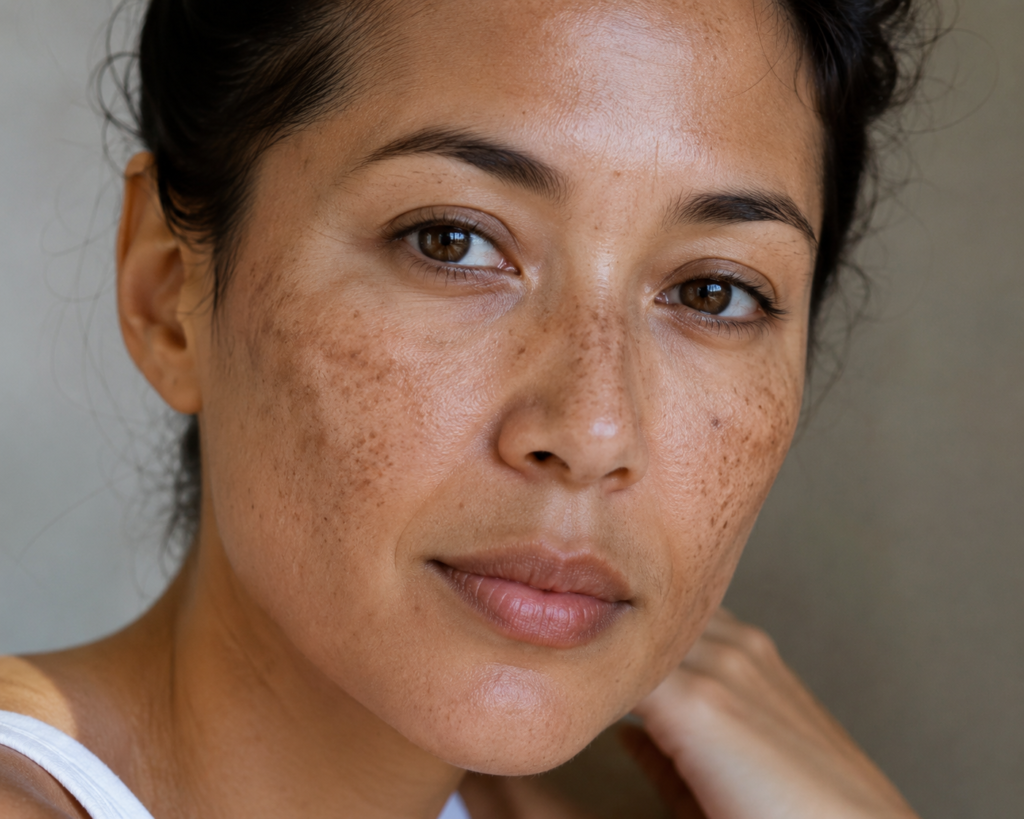
- Hyperpigmentation is a condition where certain areas of your skin produce more melanin than normal, creating patches or spots that appear darker than your surrounding skin. The word itself breaks down simply: “hyper” means excess, and “pigmentation” refers to skin color. .
- It is not a disease. It is not harmful. But it does affect millions of people across every skin tone — and for many, it creates real frustration and a loss of confidence.
- The good news? Hyperpigmentation is one of the most treatable skin concerns in modern dermatology. With the right approach, you can visibly reduce dark spots and even out your skin tone.
Quick Fact
Hyperpigmentation affects people of all skin tones, but it tends to be more persistent and visible in people with medium to deep skin tones due to naturally higher melanin activity.
How Melanin Works (And Why It Goes Wrong)
- To understand hyperpigmentation, you need to understand melanin — the pigment that gives your skin, hair, and eyes their color.
- Your skin contains specialized cells called melanocytes. These cells produce melanin through a process called melanogenesis. An enzyme called tyrosinase controls this process. Normally, melanocytes produce a balanced, even amount of melanin that distributes across your skin uniformly.
- But when your skin experiences stress — whether from UV exposure, inflammation, hormonal shifts, or injury — melanocytes go into overdrive. They flood the affected area with excess melanin, which clusters together and creates those visible dark patches.
- Think of it as your skin’s misguided defense mechanism. It means well. It just overreacts.
The 3 Major Types of Hyperpigmentation
Not all dark spots are the same. Understanding which type you have helps you choose the right treatment.
- Sun Spots (Solar Lentigines)
Sun spots form when your skin accumulates decades of UV damage. They show up as flat, clearly defined brown or tan spots, most often on skin that regularly gets sun exposure. Unlike freckles (which you are born with), sun spots develop over time and do not fade without treatment.
2. Melasma
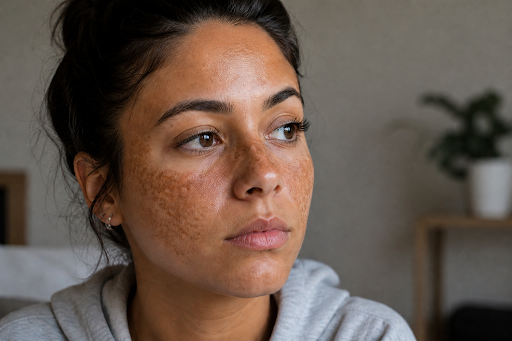
Melasma creates large, blotchy patches that look almost like a shadow on the skin. Hormones drive melasma — estrogen and progesterone stimulate melanocytes when exposed to UV light. This is why pregnant women, women on hormonal birth control, and people with thyroid conditions develop it most often. Sun exposure makes melasma dramatically worse, which is why SPF is non-negotiable for anyone dealing with it.
3. Post-Inflammatory Hyperpigmentation (PIH)
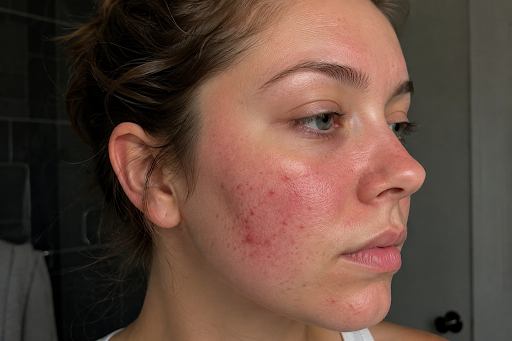
Every time your skin experiences inflammation — a popped pimple, a bug bite, a minor burn — it releases melanin as part of the healing process. PIH is the dark mark that remains after the wound heals. The darker your natural skin tone, the more melanin your skin releases and the deeper the mark tends to be.
Root Causes of Hyperpigmentation
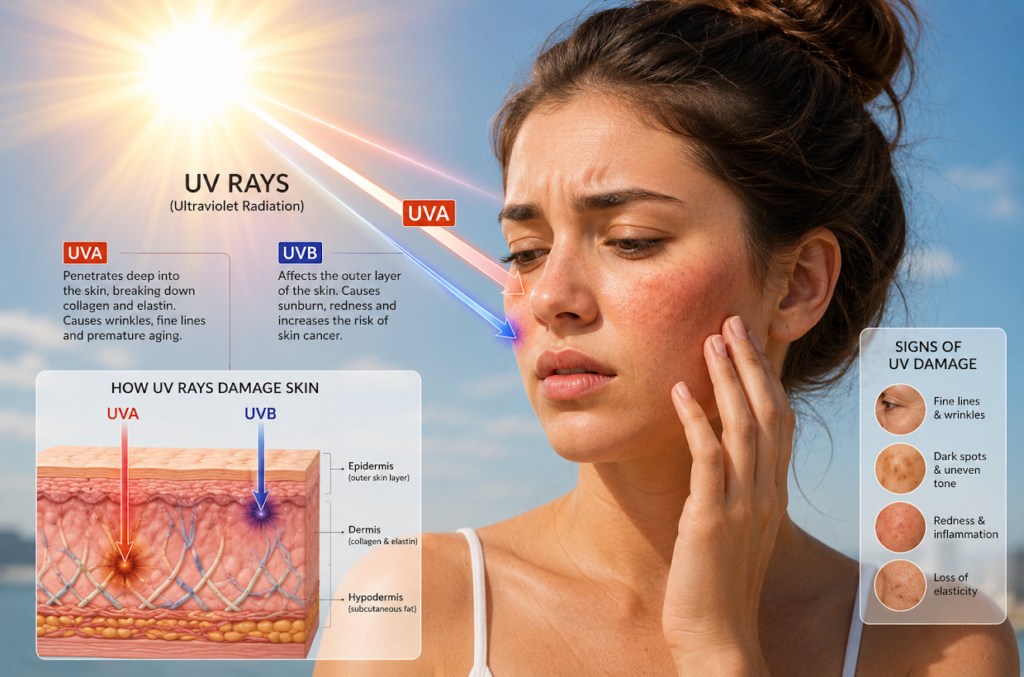
- UV Radiation:- The #1 cause. UVA and UVB rays both trigger melanin overproduction and worsen every type of hyperpigmentation.
- Hormonal Changes:- Pregnancy, birth control pills, and menopause alter estrogen levels, which stimulate melanocytes.
- Acne & Breakouts:- Inflammation from active acne triggers excess melanin production in the healing skin.
- Skin Injuries:-: Cuts, burns, eczema flare-ups, and even harsh skincare products can trigger PIH.
- Medications:- Certain drugs (chemotherapy agents, antimalarials, tetracyclines) can cause drug-induced pigmentation.
- Genetics:- Your inherited skin tone and melanin density influence how prone you are to dark spots.
- Harsh Skincare:- Over-exfoliating or using irritating products can trigger reactive pigmentation.
- Heat Exposure:- Infrared radiation from cooking, saunas, and laptops can worsen melasma, even without direct sun.
The Best Skincare Ingredients for Hyperpigmentation
Not every “brightening” ingredient is created equal. These are the ones that have real clinical evidence behind them.
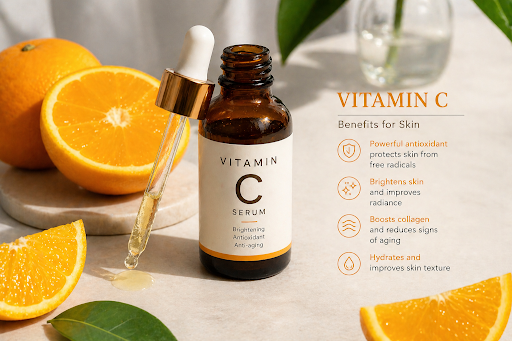
Vitamin C (L-Ascorbic Acid)
Inhibits tyrosinase (the enzyme that triggers melanin production) while also neutralizing UV-generated free radicals. Look for concentrations between 10–20%.
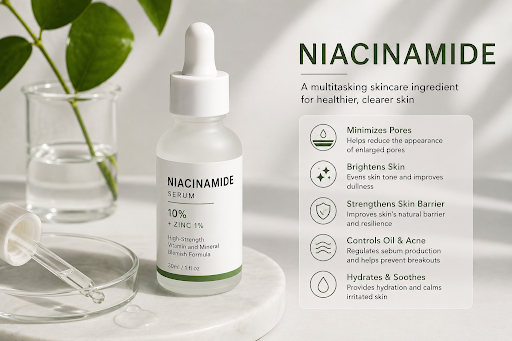
Niacinamide (Vitamin B3)
Blocks the transfer of melanin from melanocytes to skin cells. It also reduces inflammation — making it ideal for PIH. Very well-tolerated, even on sensitive skin.
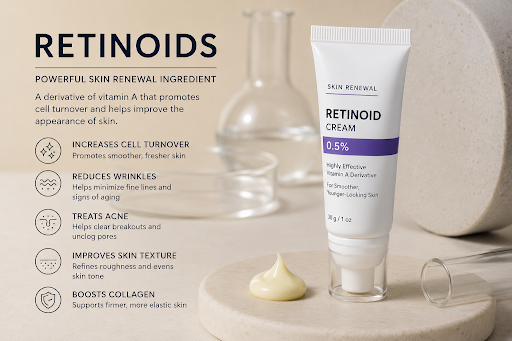
Retinoids (Retinol / Tretinoin)
Accelerates cell turnover to push pigmented cells to the surface, where they shed. Prescription-strength tretinoin delivers the fastest results.
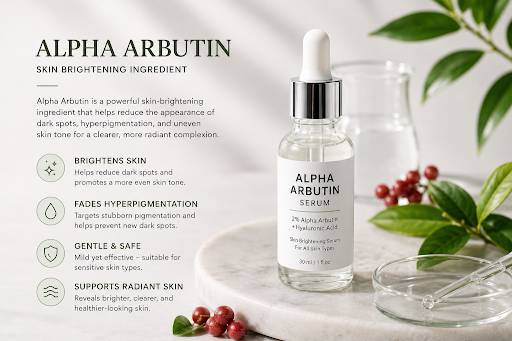
Alpha Arbutin
A stable, gentle tyrosinase inhibitor derived from bearberry extract. Works well for all skin tones without the irritation risk of stronger actives.
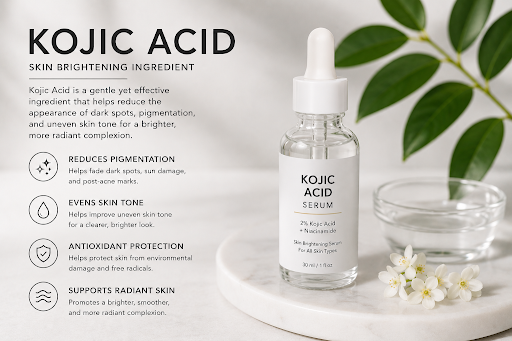
Kojic Acid
A natural fungus-derived ingredient that blocks tyrosinase. Often combined with other brighteners for synergistic effects.
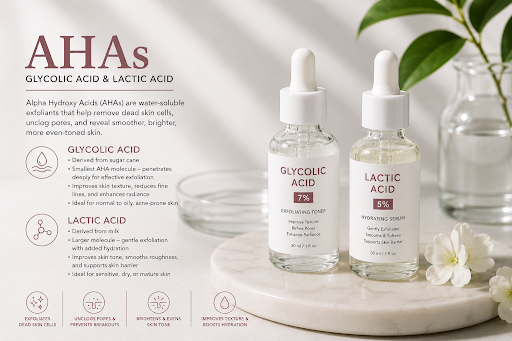
AHAs (Glycolic & Lactic Acid)
Chemical exfoliants that dissolve the bonds between pigmented skin cells, revealing brighter skin underneath. Lactic acid is gentler and better for sensitive skin.
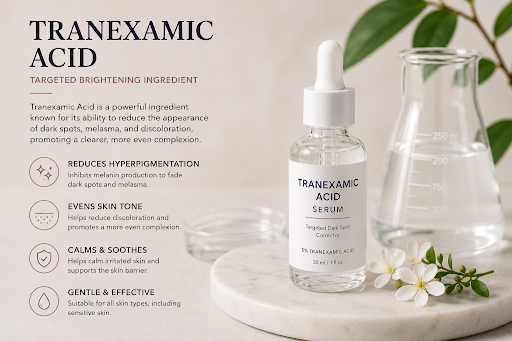
Tranexamic Acid
Originally a medical hemostatic agent, it has become one of the most effective ingredients for melasma. Disrupts the communication between keratinocytes and melanocytes.
Your Step-by-Step Skincare Routine
Here is a complete, beginner-friendly routine designed to treat hyperpigmentation without overwhelming your skin:
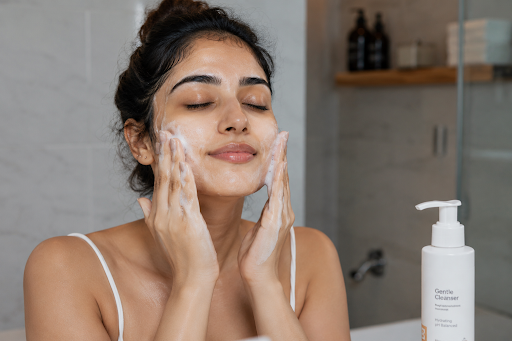
Step 1 — Gentle Cleanser
Use a mild, non-stripping cleanser. Avoid scrubbing — friction causes inflammation, which triggers more pigmentation.
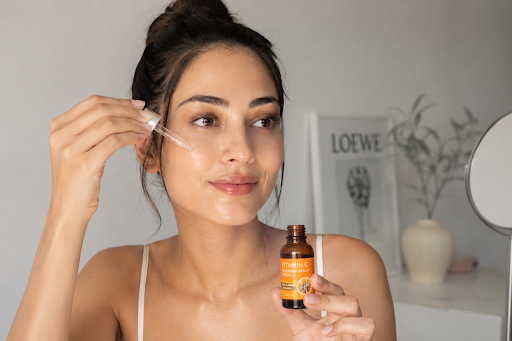
Step 2 — Vitamin C Serum (10–15%)
Apply a Vitamin C serum while your skin is clean and slightly damp. Let it absorb for 60 seconds before layering anything on top.
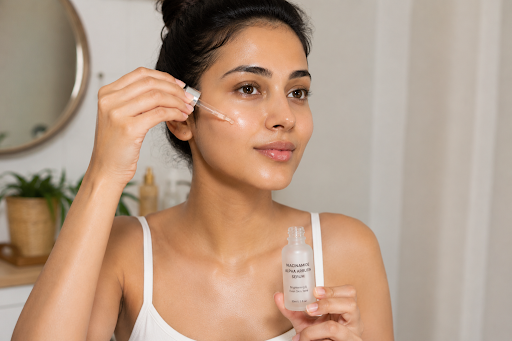
Step 3 — Niacinamide or Alpha Arbutin Serum
Layer a targeted brightening serum. Both niacinamide and alpha arbutin are safe to use daily and pair well with Vitamin C.
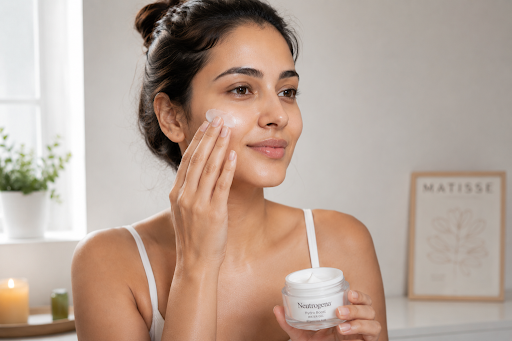
Step 4 — Moisturizer
Lock in your actives with a lightweight, hydrating moisturizer. Barrier health is critical — a damaged barrier means your actives absorb unevenly.
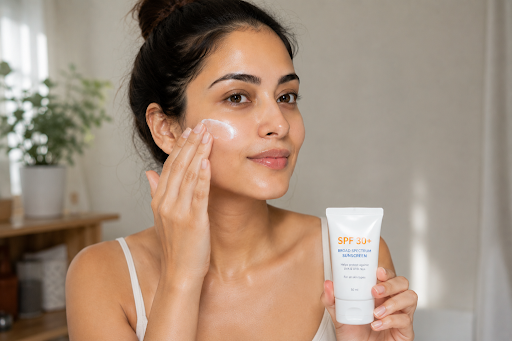
Step 5 — SPF 30+ (Non-Negotiable)
Apply a broad-spectrum sunscreen every single morning — even indoors, even on cloudy days. UVA rays penetrate glass. Skipping SPF undoes every other step.
Evening Routine
Step 1 — Double Cleanse (If You Wore SPF)
- Start with a cleansing oil or balm to dissolve sunscreen, then follow with your gentle cleanser. Leaving SPF on overnight clogs pores.
Step 2 — Chemical Exfoliant (2–3 times per week)
- Use a glycolic or lactic acid toner on exfoliation nights. On non-exfoliation nights, skip this step entirely.
Step 3 — Retinol or Retinoid
- Apply a pea-sized amount of retinol after your skin is fully dry. Start two times per week and increase gradually as your skin builds tolerance.
Step 4 — Rich Moisturizer or Barrier Cream
- Use a more nourishing moisturizer at night to support skin repair while you sleep. Ceramides, hyaluronic acid, and peptides are your best options.
Frequently Asked Questions
Here’s an FAQ section that fits naturally at the end of your blog. I’ve written these to mirror common “People Also Ask” search queries so they have a shot at snippet placement, and kept answers skimmable (2-4 sentences each).
Frequently Asked Questions
- How long does it take for hyperpigmentation to fade?
Most dark spots take anywhere from 3 to 6 months to visibly fade with consistent treatment, though deeper marks can take up to a year. Melanin sits in multiple layers of skin, so surface-level fading happens faster than the deeper discoloration. Sunscreen use is the single biggest factor in how fast — or whether — your spots actually clear.
- Can hyperpigmentation go away on its own?
Mild post-inflammatory marks from a single pimple sometimes fade on their own within a few months. But sun spots and melasma rarely resolve without active treatment, since ongoing UV exposure keeps triggering more melanin production. Without sunscreen and targeted ingredients, most hyperpigmentation persists or worsens over time.
- What is the fastest way to get rid of hyperpigmentation?
Prescription tretinoin combined with a tyrosinase inhibitor like tranexamic acid or hydroquinone tends to show results fastest, often within 8 to 12 weeks. In-office treatments like chemical peels or laser therapy can accelerate this further, though they carry a higher risk of irritation-triggered rebound pigmentation. Daily SPF is what makes any of these results last.
- Is Vitamin C or niacinamide better for hyperpigmentation?
Neither is objectively better — they work through different mechanisms and pair well together. Vitamin C neutralizes free radicals and inhibits tyrosinase, making it strong for sun-related pigmentation, while niacinamide blocks melanin transfer and calms inflammation, making it ideal for PIH and sensitive skin. Many routines use both, layering Vitamin C in the morning and niacinamide morning or night.
- Does hyperpigmentation come back after treatment?
Yes, it can — especially if sun protection lapses or the original trigger (hormones, acne, injury) isn’t addressed. Melasma in particular is known for recurring, since it’s driven by ongoing hormonal activity rather than a one-time injury. This is why dermatologists usually recommend maintenance care, not just a treatment phase, for anyone prone to pigmentation.
- Can I use retinol and Vitamin C together?
Yes, but timing matters. Using Vitamin C in the morning and retinol at night avoids the mild instability and irritation that can happen when they’re layered together. This split also lets each ingredient do its job — Vitamin C defends against daytime UV damage, retinol supports overnight cell turnover.
- What deficiency causes hyperpigmentation?
Hyperpigmentation isn’t typically caused by a nutrient deficiency — it’s driven by UV exposure, inflammation, and hormones. That said, low levels of Vitamin B12, folate, or Vitamin D have been loosely associated with pigmentation changes in some studies, though the evidence is limited. Addressing external triggers matters far more than supplementation for most people.
- Does drinking water help with hyperpigmentation?
Hydration supports overall skin barrier function, but it won’t directly fade dark spots or stop melanin overproduction. Skin needs targeted ingredients and sun protection to address pigmentation — water intake alone isn’t a treatment.
Conclusion:
Hyperpigmentation is not your forever. It is just your right now.
The difference between people who clear their dark spots and people who do not is not an expensive serum or a secret ingredient. It is consistency. It is sunscreen every single morning without excuses. It is giving your skin the time it needs to actually heal.
You have the knowledge now. You know your type, you know your ingredients, and you know your routine. The only thing left is to start — and to keep going even when results feel slow.
Clear skin does not happen overnight. But it does happen. And it starts today.